
The Best Apps to Make Friends as an Adult in 2026 (Ranked by How You Actually Like to Connect)
An honest guide to friendship apps, group platforms, curated experiences, and the new social-concierge model—organized around how you prefer to connect.
The short answer
The best app to make friends depends on your style. Meetup works for recurring group activities, BFF for profile-based discovery, and Timeleft or 222 for curated experiences. A social concierge like Harvi takes a different approach: it learns who you are, curates fitting people and plans, and reduces the logistics between wanting connection and showing up.
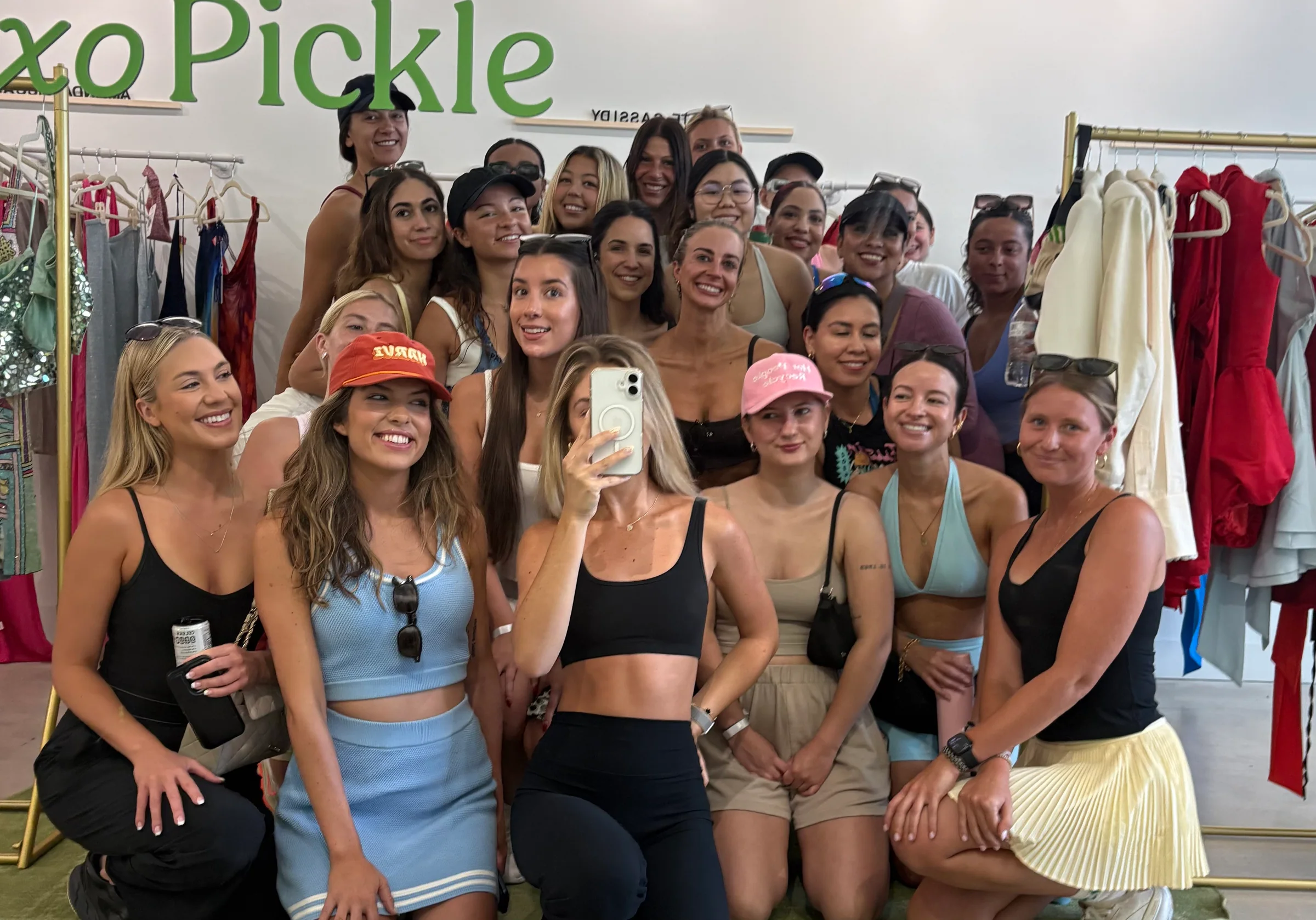
The best friendship tools create a reason to move from an app into a real room together.
There is no single winner
You finally admitted it. The group chats are dead, the work friends stayed work friends, and “we should hang out sometime” has become the adult version of a participation trophy. Then you opened the app store, typed “make friends,” and found dozens of options promising connection without explaining which one fits you.
The best friendship app is not a single winner. It depends on how you like to meet people, how much effort you want to spend, and how quickly you want to move from a screen into real life.
Do friendship apps actually work?
Yes, with a giant asterisk. An app can create an introduction or a reason to gather, but downloads and matches are not friendships.
University of Kansas professor Jeffrey Hall found that it takes about 50 hours of shared time to become casual friends and more than 200 hours to become close ones. That gives an app one clear job: help compatible people spend repeated, enjoyable time together in real life.
How fast does it move you from screen to in-person? Momentum is easier to keep when a concrete plan happens early.
Does it create repetition? One-off meetups can create a spark. Recurring formats give it time to grow.
Who carries the effort? Some apps hand you profiles or listings. Others take on more of the matching and planning.
What are the best apps to make friends, by connection style?
Best for group activities and hobbies: Meetup
Meetup organizes local groups around shared interests and recurring events. Its advantage is repetition: the same run club, book group, or professional community can bring the same faces together. The tradeoff is that you search, assess the group, RSVP, and make the social leap yourself. Read our full Harvi vs. Meetup comparison.
Best for profile-based, one-on-one discovery: BFF
BFF uses profiles, chat, and interest-based groups for platonic connection. It suits people who enjoy getting to know someone in-app before proposing plans, but the step from conversation to a real hangout still depends on the people involved. In the United States, Bumble moved the experience from Bumble For Friends into the standalone BFF app; availability and product details can vary by market. See Harvi vs. Bumble BFF for the direct comparison.
Best for curated real-life experiences: Timeleft and 222
Timeleft and 222 reduce the chat-and-coordinate phase by arranging matched group experiences. That can be useful when your biggest obstacle is initiating. Availability, format, and price vary by city, so check each service directly before deciding.
Best for small-group matching: We3
We3 matches people into groups of three using a questionnaire. The trio format can lower one-on-one initiation pressure, although the usefulness of any network depends on active people near you.
Best for a specific life stage or interest: Peanut and Pawmates
Focused networks narrow the field on purpose. Peanut centers women navigating fertility, pregnancy, motherhood, and menopause. Pawmates uses a shared interest in pets as the starting point. When your season of life is the context you most need someone to understand, a narrower community can be valuable.

Which friendship app should you choose?
You want free, activity-based discovery and will do the legwork: Meetup.
You enjoy profiles and chatting before making one-on-one plans: BFF.
You want a service to organize a curated experience: Timeleft or 222, where available.
You prefer small groups over one-on-one introductions: We3.
Your life stage or pet is the useful filter: Peanut or Pawmates.
You want more of the searching, matching, and planning handled: Harvi.
If you are choosing between two, favor the format that you will actually use consistently and that gets you into a safe, real-world setting with compatible people.
How do you make any friendship app actually work?
Move toward a specific plan. “Coffee Saturday morning?” is easier to act on than another week of general messages.
Choose recurring over one-off. A weekly club creates more shared hours with the same faces than unrelated single events.
Send the second invitation. A simple follow-up gives a promising first meeting somewhere to go.
Give the format enough time. Judge a safe, well-run recurring activity after consistent attendance, not after one awkward evening.
For the deeper playbook, read how to find your people.
The bottom line
Friendship apps are responding to a real need, but the app is the doorway, not the destination. Friendship still grows through shared hours, repeated plans, and follow-through. The right tool makes those hours easier to begin with the right people.
Harvi is launching soon. Anyone can join the waitlist now and will be notified when it becomes available near them. Join the waitlist.
Quick answers
What is the best app to make friends as an adult?
It depends on your connection style. Meetup supports recurring group activities, BFF supports profile-based discovery, Timeleft and 222 organize curated experiences in participating cities, and Harvi is building a social-concierge approach that takes on more matching and planning.
Do friendship apps actually work?
They can help create introductions and repeated in-person opportunities. Friendship itself still requires shared time and mutual follow-through; research suggests roughly 50 hours for a casual friendship and more than 200 for a close one.
Is there an app that plans hangouts for you?
Curated-experience services such as Timeleft and 222 arrange group experiences in supported cities. Harvi is building a broader social-concierge model that learns your preferences and helps curate and plan fitting people, communities, and events.
How are friendship apps different from dating apps?
Friendship apps make platonic intent explicit. Many still use profiles and chat, while other formats use groups, curated experiences, or a concierge that helps move from preferences to plans.
What is the best app for making friends in a new city?
Start with a format that creates safe repetition, such as a recurring interest group, class, or well-run curated experience. The best option is one with active participation near you that you can attend consistently.
Are friendship apps safe?
Safety features vary by service and market. Review the platform's current policies, meet in public first, keep early logistics in the app, protect personal information, and tell someone where you are going.
Sources
- Study reveals how many hours it takes to make a friend · University of Kansas
- Our Epidemic of Loneliness and Isolation · U.S. Department of Health and Human Services
- The State of American Friendship: Change, Challenges, and Loss · Survey Center on American Life
- Changes to Bumble For Friends and Bumble BFF Mode · Bumble
- Meetup · Meetup
- Timeleft · Timeleft
- 222 · 222
- We3 · We3
- Peanut · Peanut
Keep reading
How to Find Your People: The Modern Guide to Making Friends and Building Community as an Adult
ComparisonsHarvi vs. Meetup: Which One Actually Helps You Find Your People?
ComparisonsHarvi vs. Bumble BFF: Swiping for Friends vs. Having a Friend Who Introduces You
ComparisonsHarvi vs. Eventbrite: Finding Events vs. Finding Your People at Them
Harvi explainedWhat Is a Social Concierge? (And Why Everyone Suddenly Wants One)
Want help finding your people faster?
Harvi is launching soon. Join the waitlist now and we’ll let you know when Harvi becomes available near you.
The new category: the social concierge
Every tool above assumes some part of connection is your job: search the groups, review the profiles, send a message, or book an experience. The concierge model asks what happens when a service takes on more of that work.
Harvi is a personal social concierge for platonic connection. You talk to Harvi, it learns your interests, lifestyle, energy, and calendar, and it can curate people, communities, activities, and events that fit. The product is designed to help with planning and make attendee context visible before an event. That is capability, not a promise that every introduction becomes a friendship.
For the full definition, read what a social concierge is.